


With fruity and dessert-themed flavors, nicotine products seem to be increasingly marketed toward youth. According to the Centers for Disease Control (CDC), out of the 25 percent of middle and high school-aged youth who use e-cigarettes, 89 percent reported using a flavored nicotine product.
To understand what draws teens in, two students from Central Catholic High School, both of whom attended private middle schools, shared their experiences with vaping and nicotine use.
Despite coming from a tight-knit, sheltered environment, these youth reveal that this close-knit environment actually gave them easier access to vaping at a younger age, through siblings or friends.
Both teens described first hearing about, or accessing vapes, around age 12. One started by hitting their older sister’s Juul in the car before school. The other said their first experience was in 2018 or 2019, when a friend handed over a tobacco-flavored Vuse.
Juul, a company known for their sleek, flash-drive-like device, has faced numerous lawsuits and investigations. Juul was allegedly marketing their products to younger audiences, with fun, youthful ads and appealing flavors.

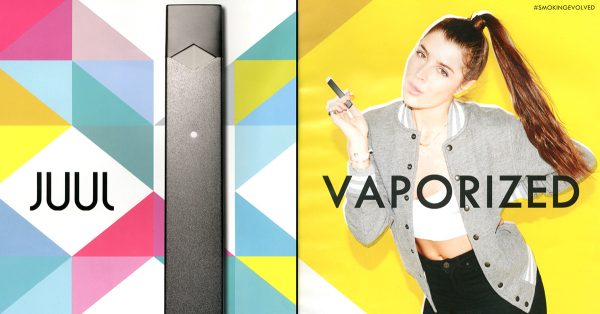
The two teens said vaping has long been seen as “cool,” even “romantic,” in their social circles. It’s not viewed as harmful or dangerous. It’s just something that everyone’s around, something everyone jokes about. Data from the Oregon Health Authority (OHA) shows youth vaping in Portland has remained consistently high over the past several years, even with local bans. What these teens are describing reflects a growing youth subculture where nicotine is treated like an accessory, and flavored vapes trend the same way fashion trends do.
When asked about what brands are most popular, both listed the same ones: Geek Bar, Foger, Flum, UT Bar, and the so-called “exotic” vapes that show up on social media. Geek Bar, they said, is considered the classic. One mentioned hearing rumors about lead in it, but brushed it off because “it domes harder.”
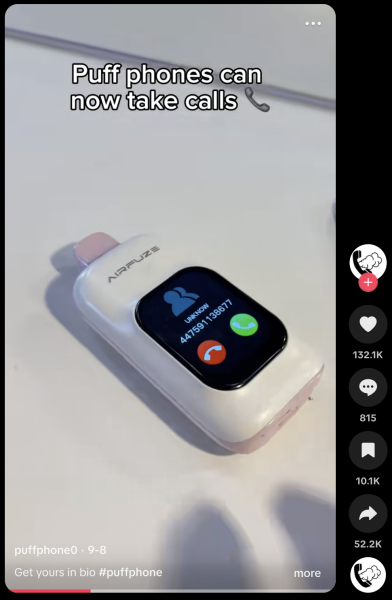
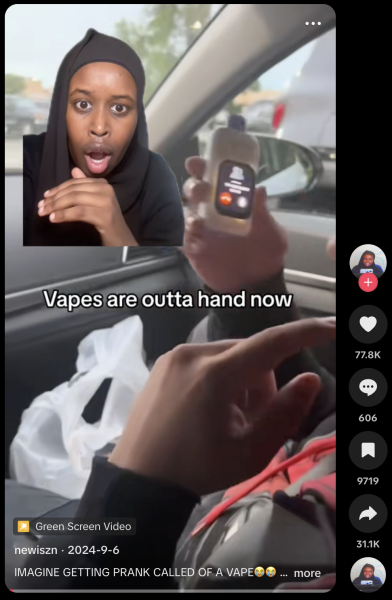
They also talked about vapes with built-in screens, games, calculators, and even phone functions. These devices show up constantly on TikTok and Instagram Reels. A disposable vape that doubles as a phone isn’t even shocking to them anymore; it is just another thing to laugh about.
What feels shocking is the normalization of these so-called “exotic” vapes. Videos with hundreds of thousands, or even millions of views, casually show off “vape phones,” or over-the-top vapes. It’s the psychological conditioning of youth that makes vaping seem funny, harmless, or just trendy.
When asked whether nicotine dependence affects their daily lives, both admitted “Yes.” One said vaping sets the tone for the day: wake up, hit the vape, and go on. They joked that the relationship is “toxic,” saying that their vape is basically their girlfriend. The other said that without nicotine, they become aggressive or anxious. Losing a vape isn’t a real concern either, because they claim that they keep multiple backups. If one disappears, another one shows up. And if that one disappears too, they buy another. According to them, it’s effortless: “There’s vape everywhere.”
They also described how young kids, sometimes as young as nine, manage to get vapes through older siblings, relatives, older friends’ boyfriends, or adults who just want to make a quick profit. The age limit is almost nothing in practice. Despite laws banning sales to anyone under 21, 43.1 percent of underage users still buy e-cigarettes directly from stores, according to Truth Initiative.
But beneath the humor and normalization is actual danger. Nicotine use in adolescent years affects brain development, especially areas tied to memory, attention, and emotional regulation. Many disposable vapes contain heavy metals like lead and nickel. Once these ultrafine particulates enter the lungs, they can lead to inflammation and long-term respiratory issues. Youth are especially vulnerable because their brains are still developing. Vape aerosol contains chemicals that can scar lung tissue, elevate anxiety, and cause dependence before adulthood even starts.
They played the song “Geekbar Vaping Anthem” by Acid Souljah while talking, a song with lyrics that capture the same humorous, exaggerated reality they have about vaping. “It’s not even smoke, it’s like water vapor,” and “I be getting high smoking hella different flavors.” It’s a soundtrack of how normalized vaping has become for this generation.
Around the world, an estimated 4.8 percent of young people currently use e-cigarettes, and flavored disposables remain the most popular. But the words of these teens show what the statistics can’t: a youth culture where vaping is casual, constant, and deeply woven into daily life.
“I love a toxic relationship,” one had said earlier. “My vape is my girlfriend.”
And what happens when that “relationship” breaks? It’s no crisis. Just a shrug.
“Everyone’s looking for their vapes,” one said. “It’s part of life.”