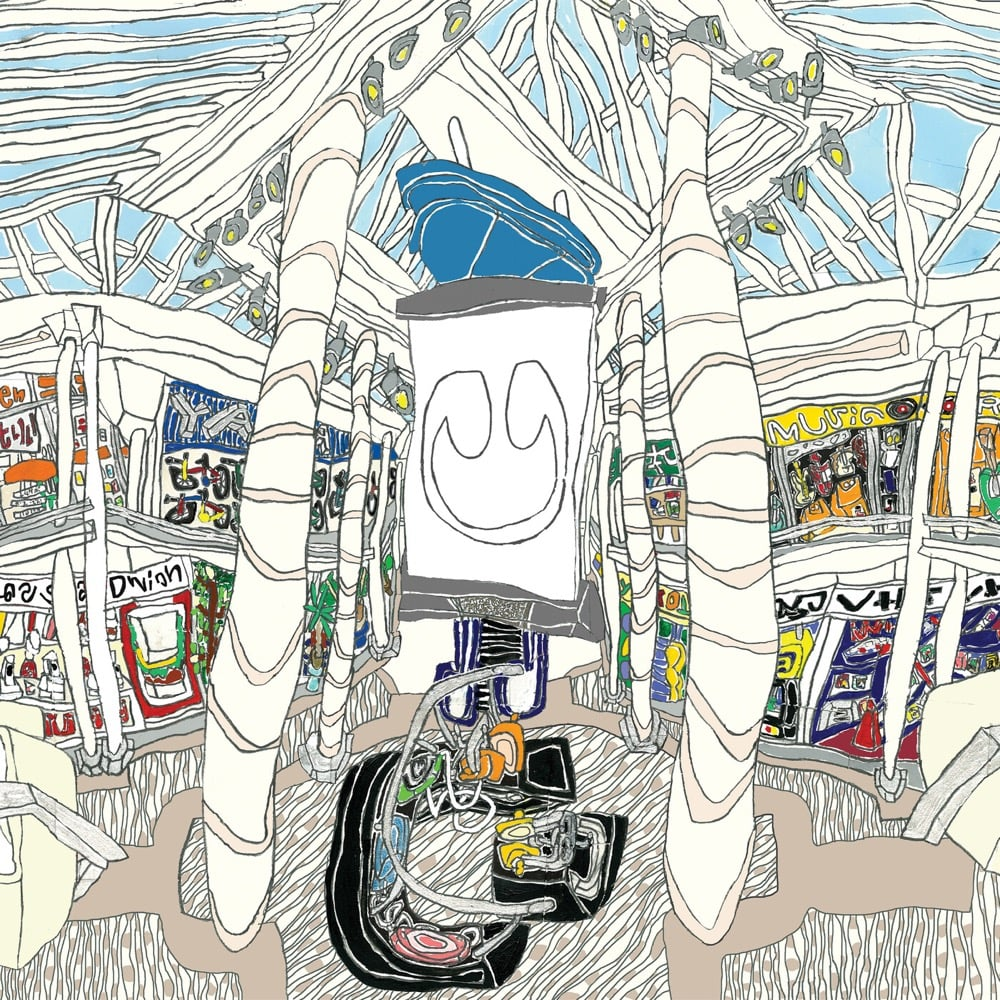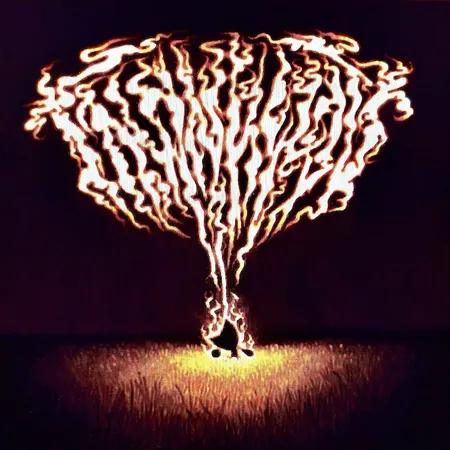



Mitsuki Laycock, better known by her stage name Mitski, has been one of the most distinctive artists in the music industry, shifting from noisy, lo-fi rock to a calmer chamber-pop sound. With albums like “Bury Me at Mackout Creek” that have more of a slacker rock vibe, to her more poppy and folky mainstream albums like “Be The Cowboy” and “The Land Is Inhospitable and So Are We,” that still keep to her own sound. “Nothing’s About to Happen to Me” is her eighth studio album and shows her returning to more of a noisy sound while also keeping her chamber pop and singer/songwriter elements from her last albums.
The lead single for the album is “Where’s My Phone?” The song starts with a simple distorted guitar that’s similar to early shoegaze with a nice layer of fuzz and symbol-heavy drums accompaniment. The effect adds to the lo-fi element with its texture. The song’s protagonist is presented as an empty vessel, “a ditch on my block.” This comes from Mitski’s desire to conform without having opinions to cope with the state of society. Her wants go as far as she wants to give up herself in order to do so. This connects to the song’s title, as the phone represents the protagonist’s identity, a response to losing her identity and making her an empty vessel or a ditch. In the bridge to the outro, the tempo slowly intensifies linearly to a pace where you hear more clash symbols and guitar distortion, so that you can barely hear the final lyrics of the song end with a hold of those notes. Great start for this album.
The last single is called “I’ll Change for You,” which is also the most popular song on the album. Compared to the lead single, this is much calmer with more of an indie vibe. It’s like something that would be heard in the local coffeehouse. The track has a nice, jazzy drum that adds a rhythm that stays throughout the song, a slight guitar piano melody in the background, and a very intimate bassline that goes well with the vocals for the song being a mix of melodic to high singing that reminds me of Fiona Apple in a way. As the song progresses, it gives more depth when the violin enters with light waves of notes that join with the vocals. It’s a very nice track.
Moving into the meat of the album, the intro track, “In a Lake,” starts with an acoustic guitar and accordion in the background. This goes well with her singing again with her low, yet melodic voice. The lyrics talk about how reputations from your old life can keep you trapped from moving past them and improving yourself. Mitski uses the image of moving to a small town as something impossible for her, as everyone knows everyone and also judges everyone, so your reputation could make you an outsider, which she is afraid of. What she wants, in comparison, is to live in a lake where it’s just you and you can float all you like. This point gets expanded with a different idea about starting anew in a big city. It seems she chooses this option as the music swells loudly into an explosion of sound that’s cinematic and satisfying. This track does a great job setting up both the tone and the themes of the album, all in three minutes.
The next track, “If I Leave,” changes topics back to her lover. The plot of this song centers around the idea of leaving a relationship for the better. Most of her lyrics focus on wanting to leave so that her mother could live a better life with someone else, but also wanting to stay as no one had ever treated her like she had with them. This is the idea of conflicting options; it’s like an internal debate over whether she should be greedy and stay with them or leave to give the lover a better life without her. This is best illustrated by the last verse of the album. “How could I losе you?” before she says, “I couldn’t lose you,” showing that the idea of losing her lover is impossible to her, but still she continues to suffer from the idea of wanting to leave. This song shows more of an emotional side, which can also be seen in this album.
The last track, “Lightning,” is a perfect combination of everything in this album. It takes the calmer and chamber pop elements and mixes them with the slacker rock and wraps up the themes of the singer dying and being reborn with a new perspective on the world. It’s a really good conclusion of everything that has happened in this album.
Overall, this album pulls through as a good example of great writing, both lyrically and musically, and gives much-needed variety to the barren pop landscape. This is a perfect album to get you into newer genres of music while still being something familiar and understandable. I’m going to give this album an 8.5 out of 10.