

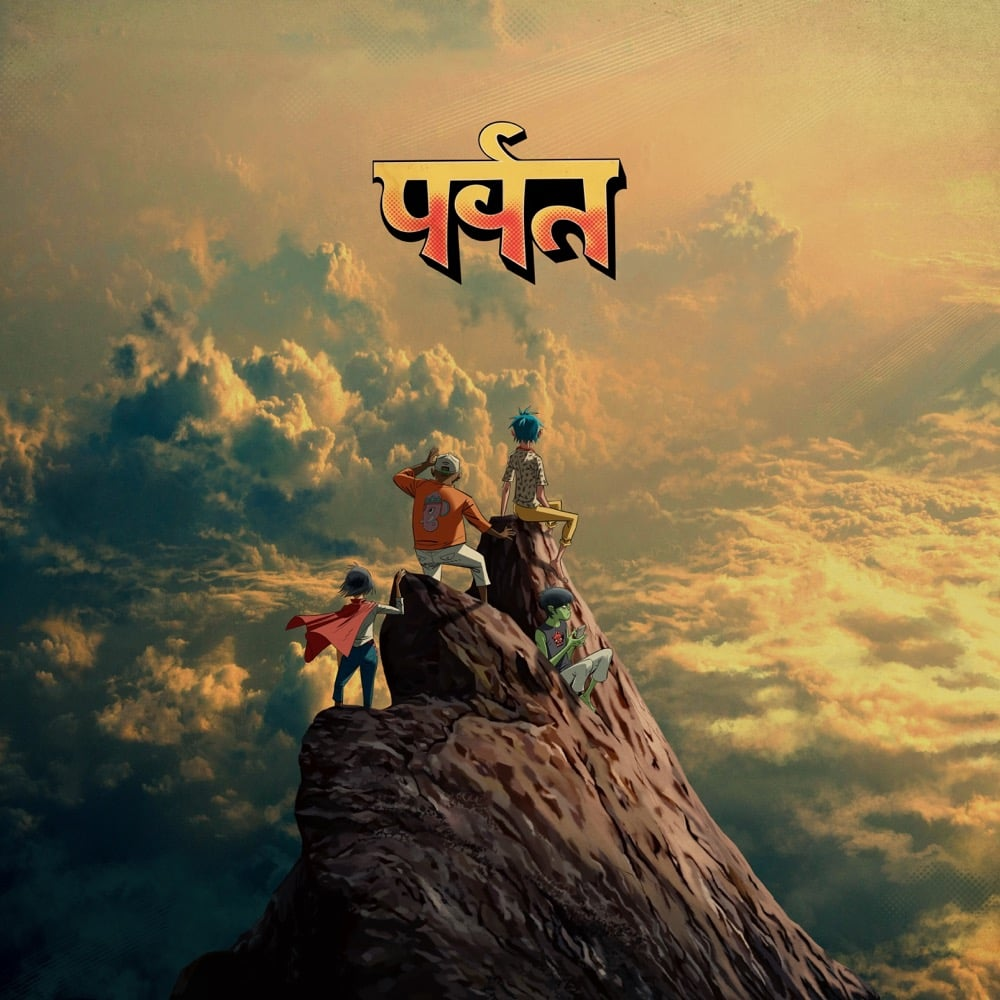
Gorillaz is the solo project of rock legend Damon Albarn, frontman of the punk band Blur. Gorillaz itself is a visual band, as none of the members are real and are characters created by the second real member of Gorillaz, Jamie Hewlett, who has drawn all the art for the band since the beginning in 2001. Since then, albums like “Demon Days” and “Plastic Beach” have been mainstays for both critical and public acclaim, with both of them being among the best albums of all time, based on who you ask. Along with these albums, which also include all-time hits like “Feel Good Inc.”, “DARE,” and more, Gorillaz has become a cultural icon. Along with this, they’ve also kept up a really weird and hard-to-understand persona.
I can’t go through every single one for this album, as there were five songs during the rollout. Instead, I will focus on my favorite singles so that I can focus on the main songs later, starting with the lead single, “The Happy Dictator.” This single features guest vocals and production from the synth pop brother duo, Sparks, who are super influential for the genre. One of the notable things about this album is the amount of features, with every song having at least one feature that ranges from guest instruments to full guest stars. This had been a staple of the Gorillaz album since Demon Days, but had been less and less common on their later albums besides “The Song Machine.” That’s one reason why this album is a return to the old format that fans loved when they first started, while also giving new styles and sounds to expand on the idea of Gorillaz. For the song, it’s a super upbeat, joy-synth-fueled song about dictatorships and how they maintain control by using the media to make people think everything is ok and that they should believe in the leader. As Damon sings, that is similar to something a dictator would say, like, “While everyone’s consuming/I’ll save you from yourself.” Russell Mael of Sparks sings the line, “Oh, what a happy land, oh, yeah,” which symbolizes more of the propaganda that the dictator wants you to believe. It can also be subliminal messaging, since the vocals are in the background of the song, trying to brainwash the listener into believing the words, which could also explain the song’s upbeat feeling. This track is probably my favorite of the album, but it’s hard to pick one as they’re all pretty good.
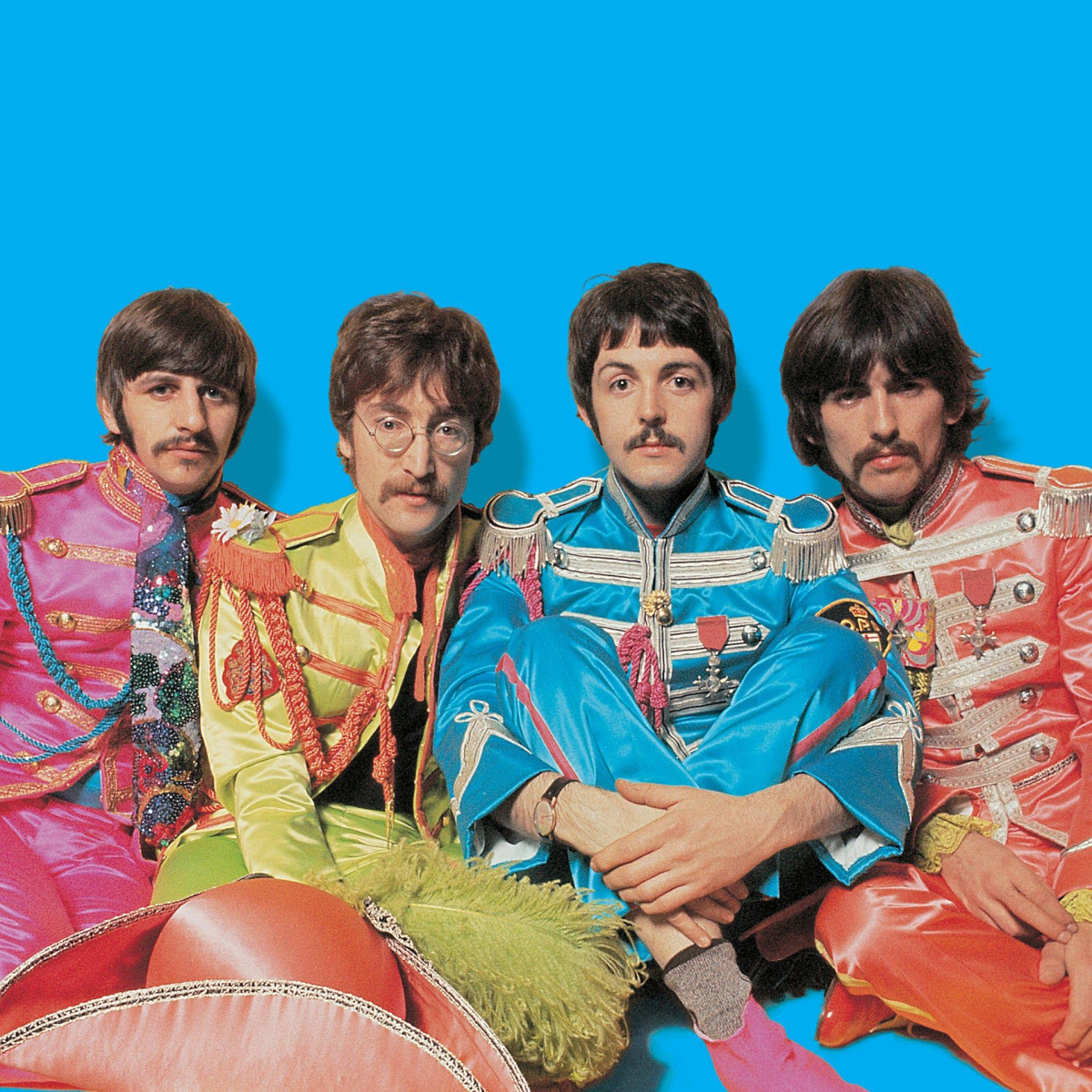
The last single I chose was the last one released before the release of the album, which are “The Hardest Thing” and “Orange County.” This single is different in that it has two songs, but really, the first song is more of an interlude into Orange County. This song does a better job at explaining the main theme of this album, with both songs talking about losing someone. For example, in The Hardest Thing, it features a quick cameo from long-time collaborator Tony Allen, who died in 2020 from a heart attack. This is supposed to be a send-off to him and also to both Damon and Jamie’s dads, who both died before they started making this album. They were later inspired to make this album after going on a trip to India to scatter their ashes, which explains why instruments from Indian culture, like the sitar, feature in most of the songs on the album. It’s kind of like how the Beatles went on an experimental journey with psychedelic sounds, specifically from India, from different countries in the mid-’60s. Along with this, Damon also adds some of his signature style of upbeat synth production that surprisingly mixes well with Indian elements and makes something both original and fun to listen to.
Moving into the core of the album, the first song, after an instrumental intro, is “The Moon Cave.” The song’s most notable style is expanding the use of synth pop and Indian elements by adding classical instruments to the mix. Electric instruments set up the beat and melody of the song, while instruments like violin, flute, and sitar play in the background to support the synth and make the song move more smoothly and more exciting to listen to. This song features rapper Black Thought, who is a newer collaborator for Gorillaz, but has had a notable career as one of the M.C.s in The Roots. His feature boils down to talking about topics that are to come as he features in more than one song on this album. Despite this, the rapping is really well done, having really good flow with the beat and clever writing too. This song also features a posthumous feature from Turgot the Dove, a former member of De La Soul, who was also a long-time collaborator with Damon, the rapper on Feel Good Inc. This continues the themes of The Hardest Thing and Orange County about how hard it is to move on after someone has died.
The last track I’m focusing on is called “Damascus.” This is notable as, unlike the other songs, this one has more of an Arabic style to the sound instead of Indian. This could also be seen with the title, as Damascus is the name of the capital city of Syria. That’s why it makes sense that it features a notable Syrian singer and producer, Omar Souleyman, along with another long-time collaborator, Mos Def, under his new name, Yasiin Bey. This song is immediately different from the others, being more of a dance song with Arabic themes that center around the genre “Dabke.” The song is very fast-paced and has a high focus on percussion with a mix of electronic drums and analog, while being able to easily switch between Souleyman’s Arabic verses and Bey’s English lyrics that mix well with the tone of the album. This song departs from the themes of the province songs, focusing on migrants and refugees coming to new countries, trying to start anew, specifically from Syria, because of the ongoing Syrian civil war. The idea that pops the most in these lyrics is the word “fresh,” which is mentioned a lot and can have a lot of meanings. One could be the fresh arrivals of migrants into a new country in order to start a new life. Another interpretation is that the song mentions fresh Turkish coffee as a new business started by a migrant family, helping the national economy and promoting more local businesses over something like Starbucks, which is also criticized in the song. Overall, the message of this song is pro-migrant integration, especially with the ongoing increase in xenophobia of Muslim people coming to other countries. It’s a message of peace in this fun dance track that makes it another one of my favorites off this album.
I really enjoyed this project, and I’m happy to see Gorillaz coming back to what they’re known for, which is their signature weirdness and creativity in songwriting. This project shows that even as the band turns 25, it still has the juice in it. I’m giving this album a 9 out of 10.